
Spin, cold atoms, and quantum matter
The postcard that split a beam of silver atoms, what spin is and why it is not spinning, how MRI uses it, and the Bose-Einstein condensates of cold atom labs.
Articles
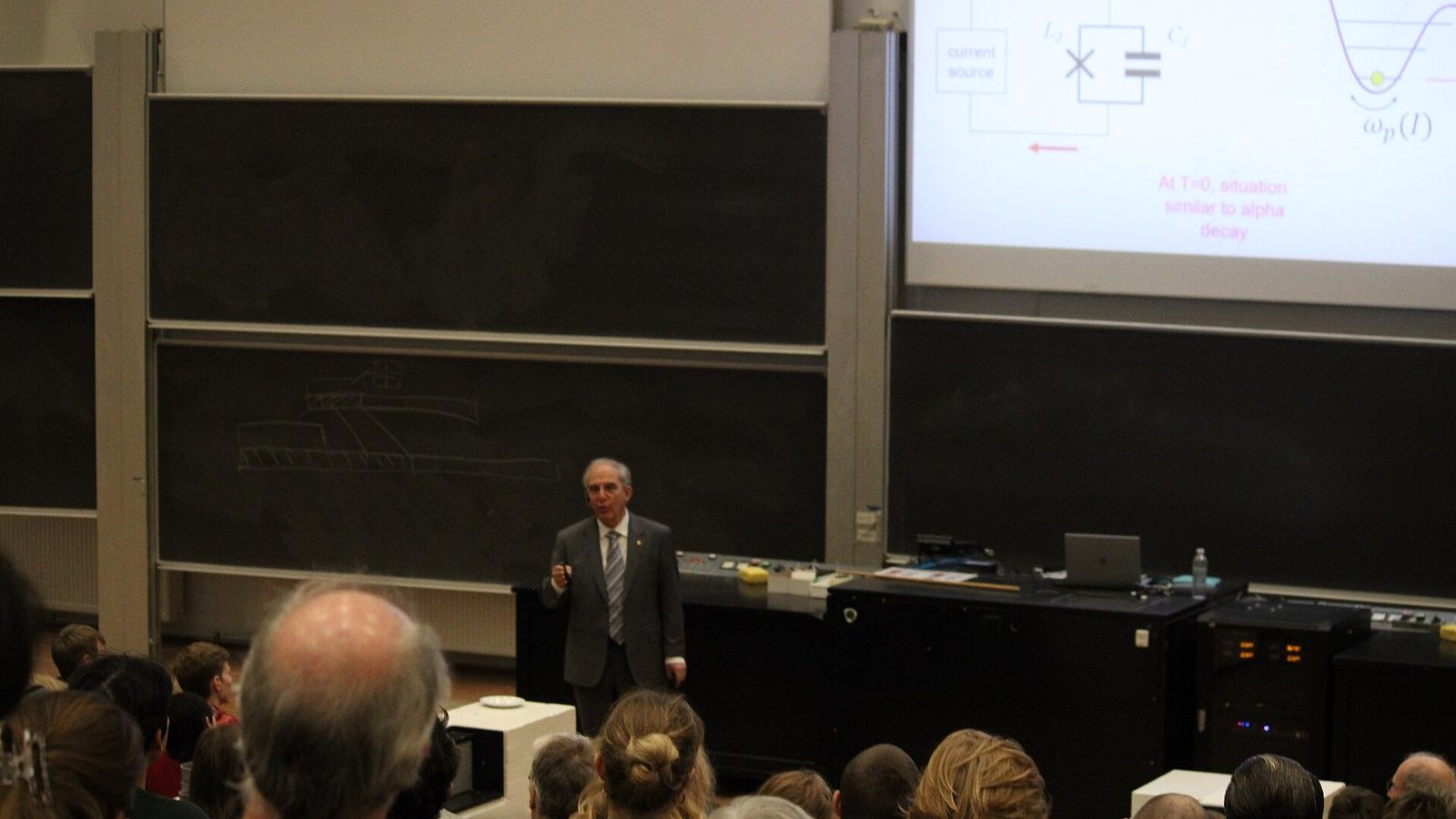
The Nobel Prize for a circuit you can hold in your hand
The Nobel Prize in Physics 2025 went to three physicists who showed in 1985 that an electrical circuit a centimetre across obeys quantum mechanics: it tunnels, and its energy comes in steps. That circuit is the ancestor of today's quantum processors.
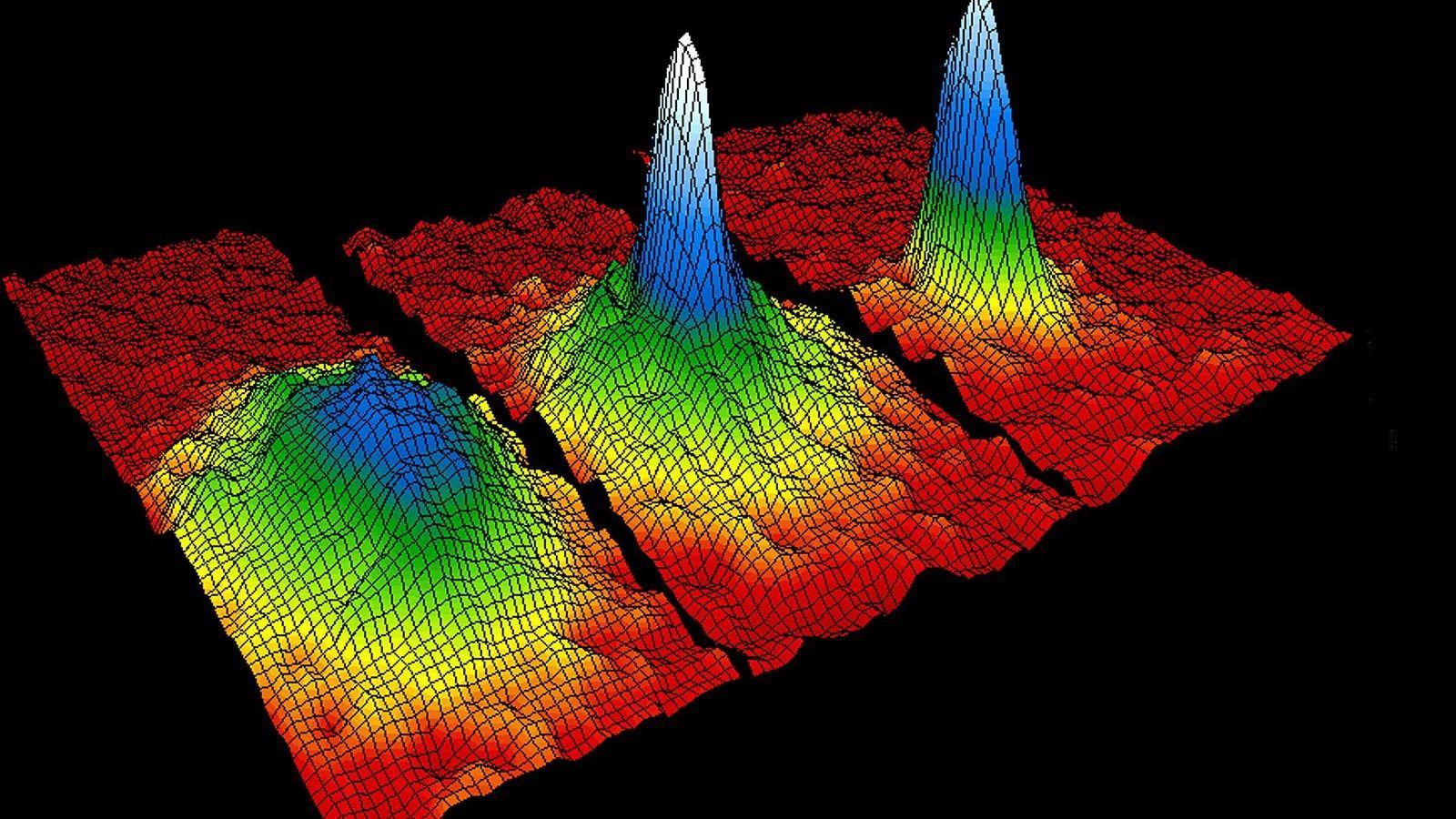
The coldest things in the universe are in laboratories
Empty space is 2.7 kelvin. On 5 June 1995 a cloud of two thousand rubidium atoms in Colorado reached 170 billionths of a kelvin and turned into a single quantum object. Here is how it was done and what a Bose-Einstein condensate is.
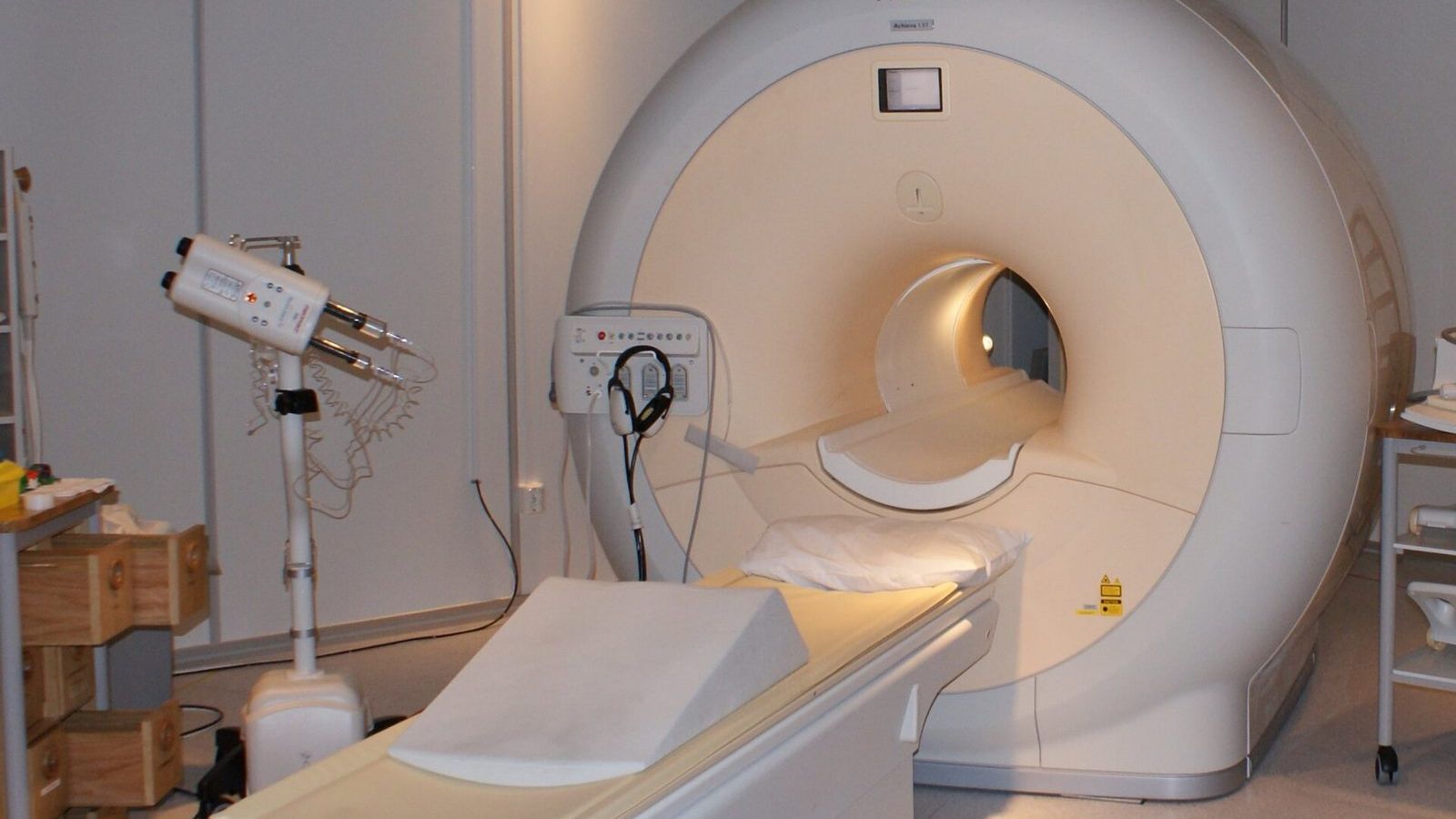
How MRI uses quantum mechanics
An MRI scanner listens to the protons in your body's water precessing in a magnetic field at 128 million times a second. The signal comes from a difference of ten protons in a million, which is why the magnet is so large and the scan so slow.
What spin is, and why it is not spinning
Every electron carries a fixed amount of angular momentum and a fixed magnetic moment, and whichever direction you measure along, you get one of two answers. The word spin is a historical accident. Here is what the quantity really is.
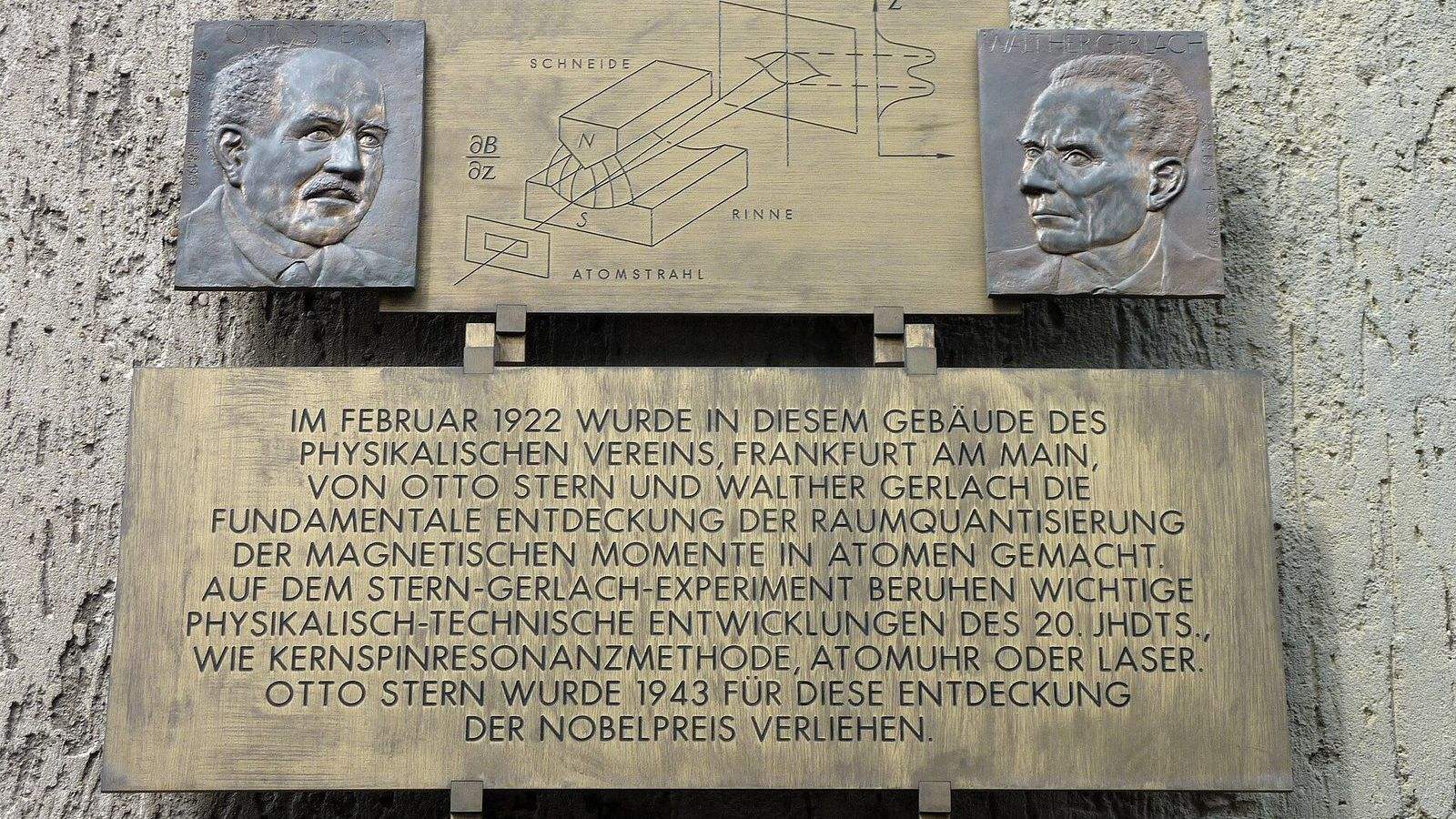
The postcard that split a beam of silver atoms
In February 1922 two physicists in Frankfurt sent silver atoms through a magnet and found the beam split cleanly in two. They sent Bohr a postcard announcing that his theory was confirmed. It was not, and the real explanation took three more years.
In the masterclass
The Harmonic Oscillator and Ladder Operators
Equally spaced levels, zero-point energy, and the ladder operators that solve the oscillator
Angular Momentum and Spin
Orbital angular momentum, the Stern-Gerlach experiment, and spin one-half
Identical Particles and the Exclusion Principle
Bosons, fermions, the exclusion principle, the periodic table, the Fermi gas, and the Bose-Einstein condensate