
QM Masterclass Blog
Explanations, background, and advice for curious students.
Latest articles
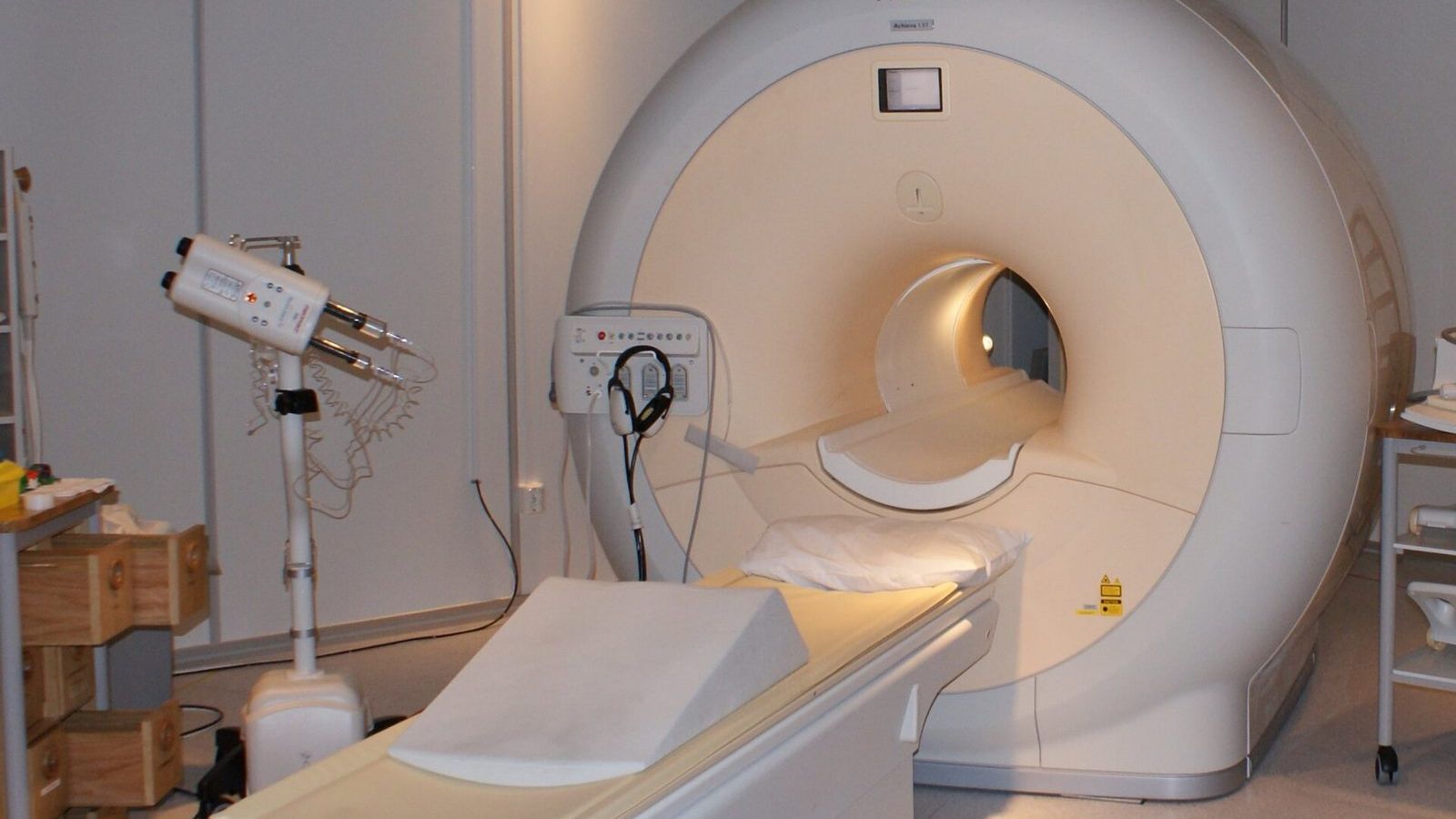
How MRI uses quantum mechanics
An MRI scanner listens to the protons in your body's water precessing in a magnetic field at 128 million times a second. The signal comes from a difference of ten protons in a million, which is why the magnet is so large and the scan so slow.

What spin is, and why it is not spinning
Every electron carries a fixed amount of angular momentum and a fixed magnetic moment, and whichever direction you measure along, you get one of two answers. The word spin is a historical accident. Here is what the quantity really is.
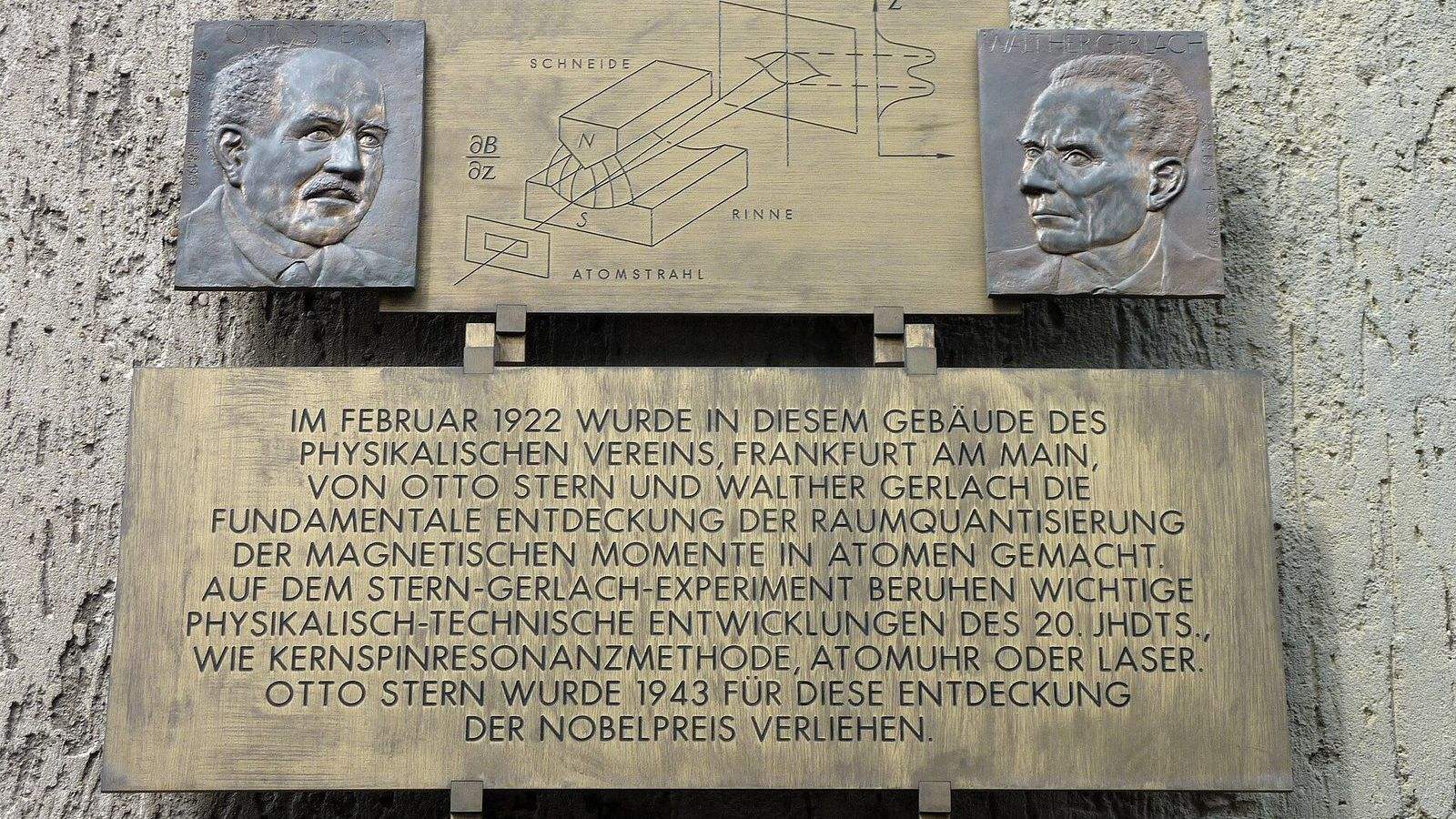
The postcard that split a beam of silver atoms
In February 1922 two physicists in Frankfurt sent silver atoms through a magnet and found the beam split cleanly in two. They sent Bohr a postcard announcing that his theory was confirmed. It was not, and the real explanation took three more years.
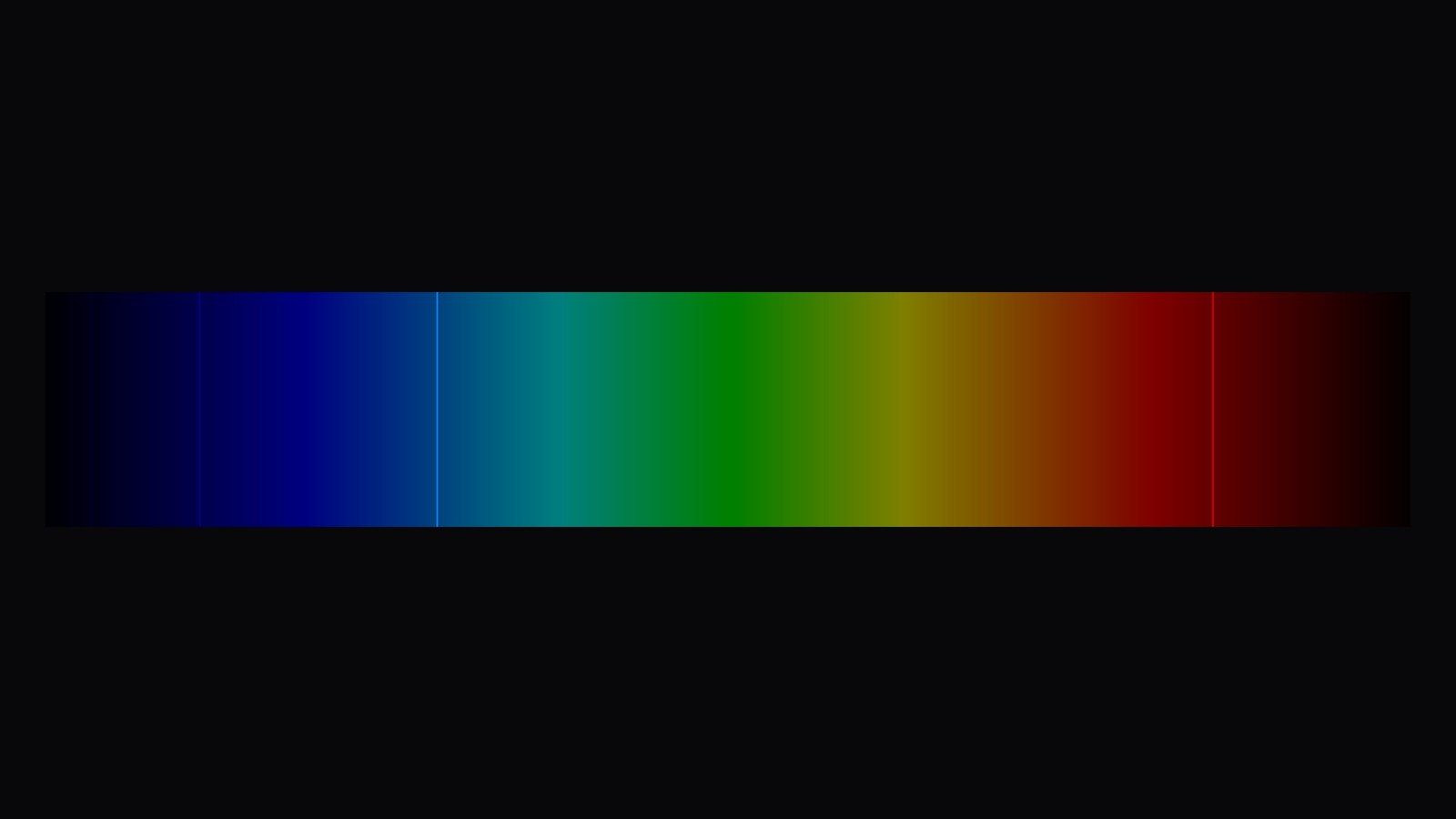
Where the hydrogen lines come from
A tube of hydrogen gas glows pink, and a prism splits the glow into four sharp lines. A Swiss schoolteacher found the formula behind them in 1885, Bohr explained it in 1913, and astronomers map the universe with the red one.

What the colours of quantum dots have to do with a particle in a box
Quantum dots are crystals so small that their colour depends on their size. The explanation is the first problem solved in every quantum mechanics course, a particle trapped in a box, and it earned a Nobel Prize in 2023.
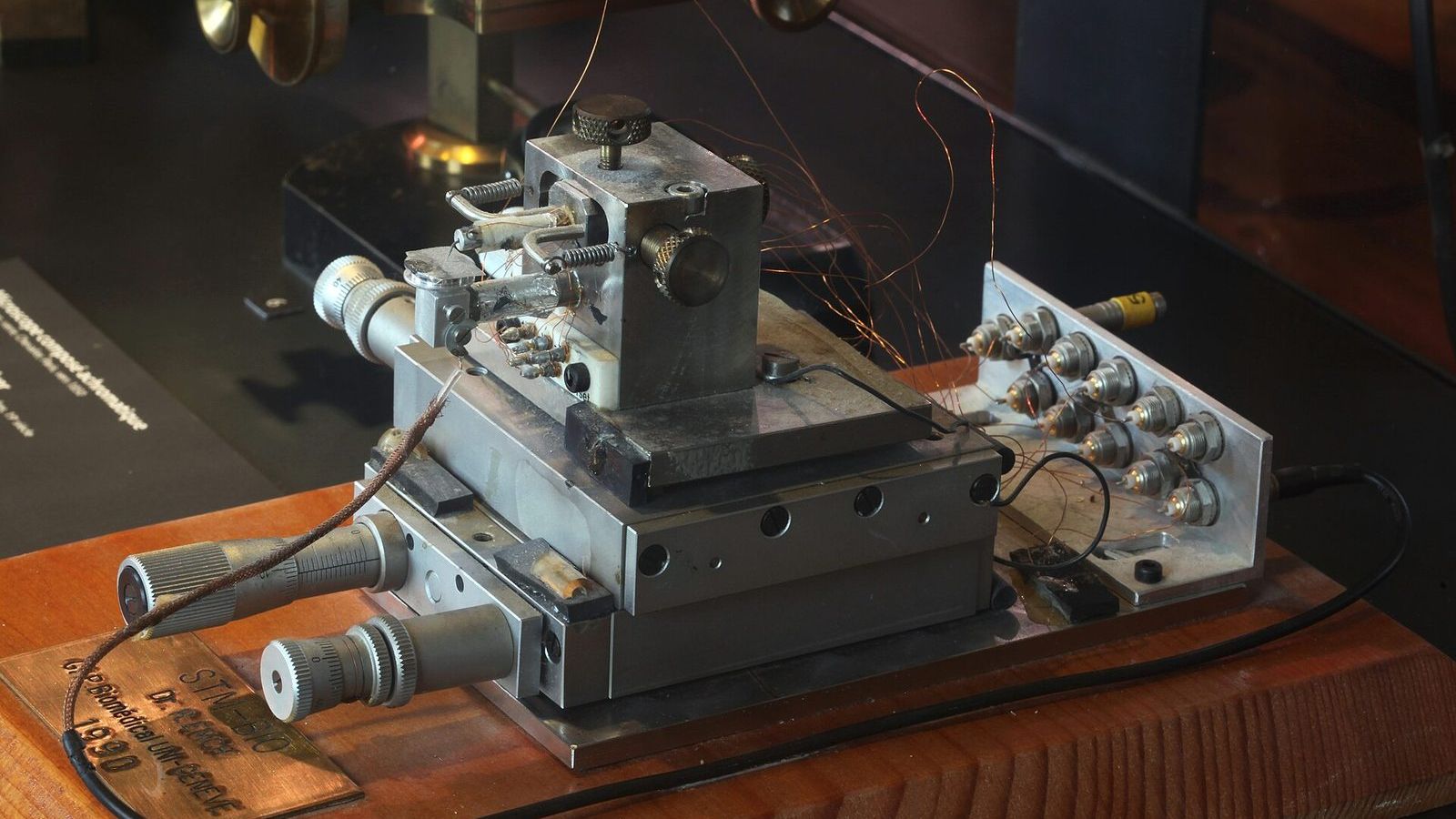
How a scanning tunnelling microscope sees atoms
A metal needle hovers less than a nanometre above a surface, and electrons cross the gap without ever being in it. The current changes tenfold for every tenth of a nanometre, and that is why the instrument sees single atoms.
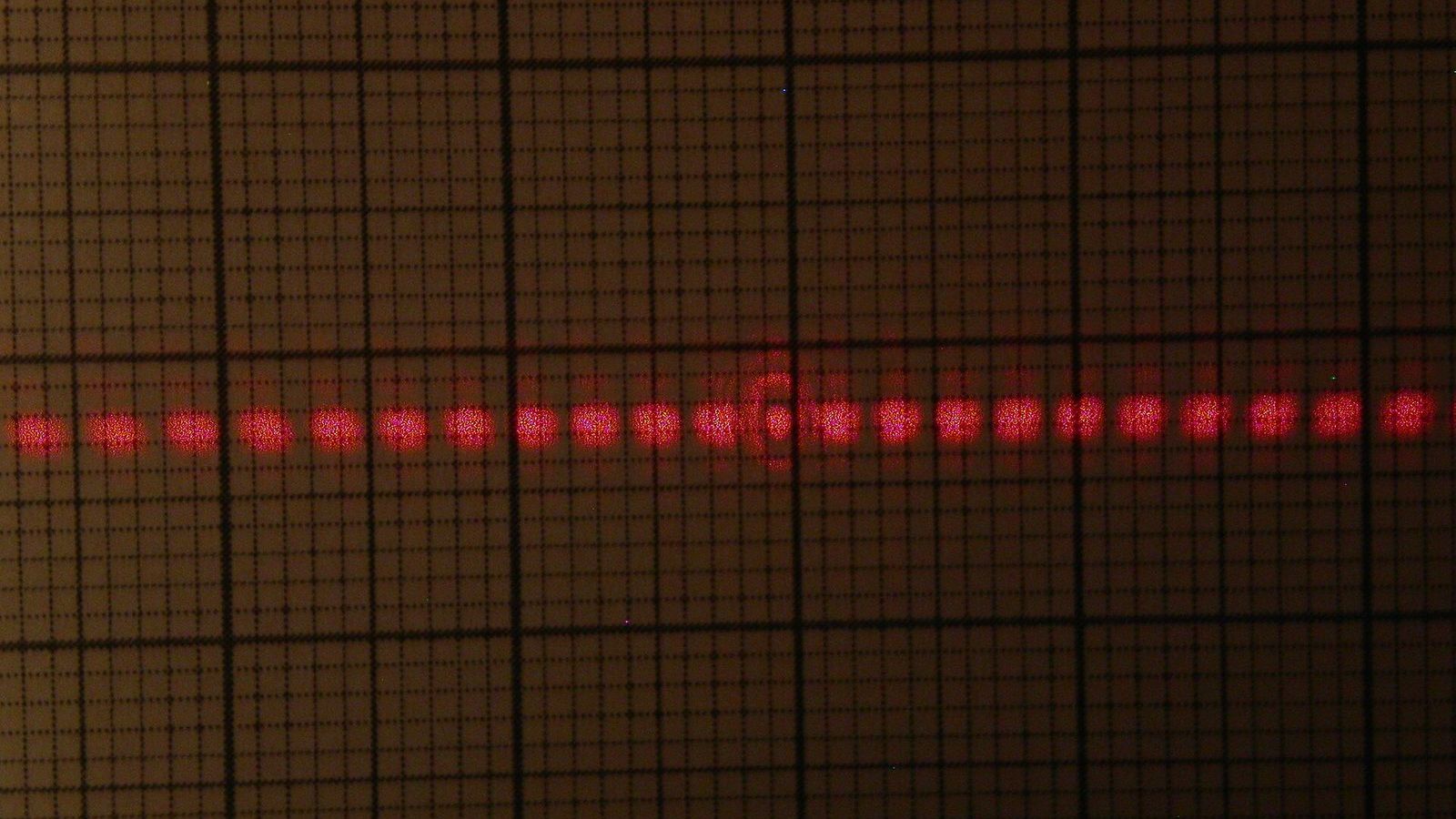
The uncertainty principle is not about clumsy measurements
The usual story says that measuring a particle's position disturbs its momentum. The relation Heisenberg found is stronger and stranger: a particle does not have a sharp position and a sharp momentum at the same time, whether or not anyone measures it.
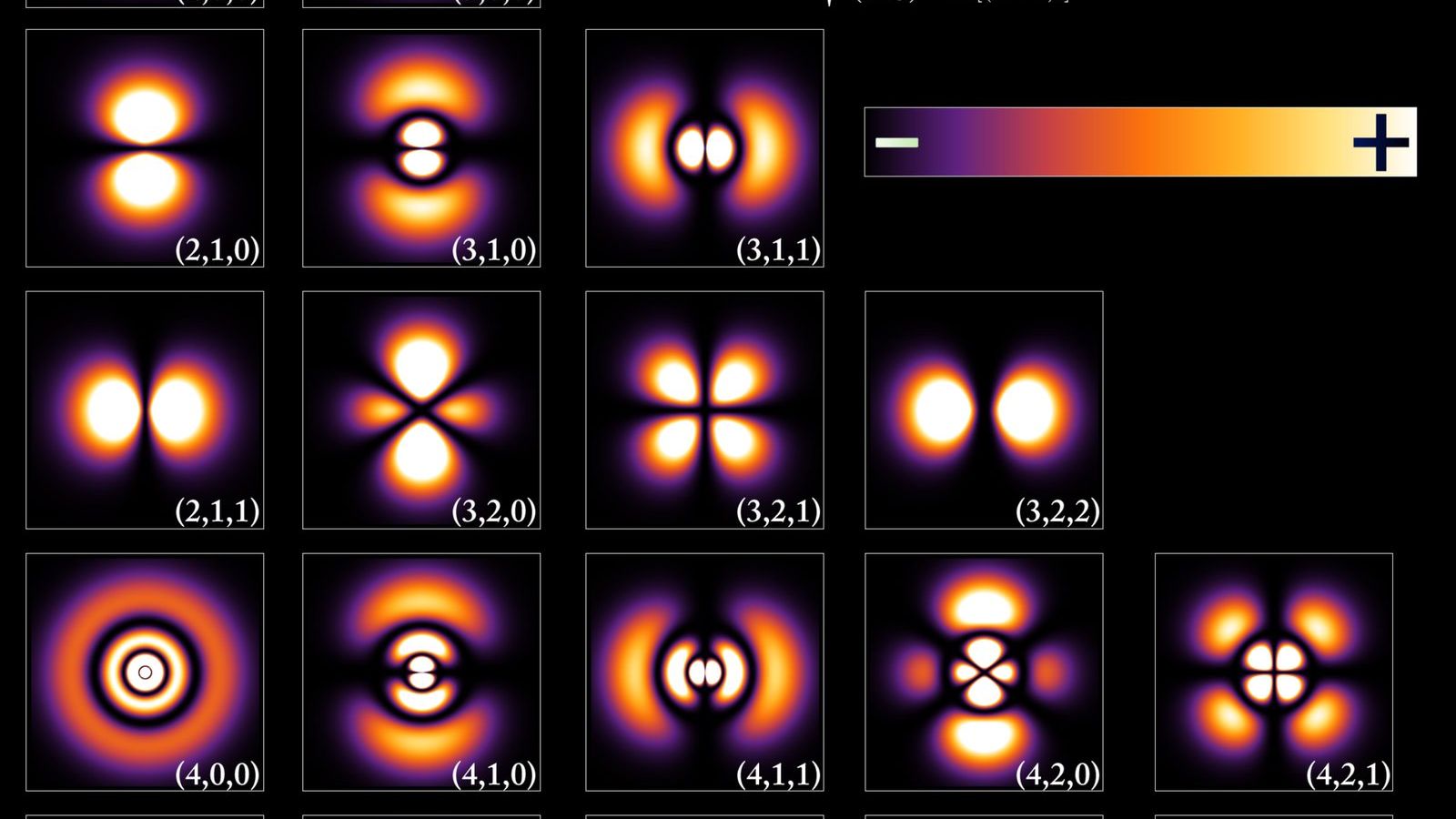
Why atoms do not collapse
A classical electron circling a proton would radiate away its energy and hit the nucleus in about a hundredth of a nanosecond. Atoms last forever. The reason is the uncertainty relation, and it gives the size of the atom in one line.

Schrödinger's cat, without the mysticism
Schrödinger invented the cat in 1935 to show that something was wrong, not to claim that cats can be alive and dead at once. What the argument was for, what decoherence explains, and what is still open.